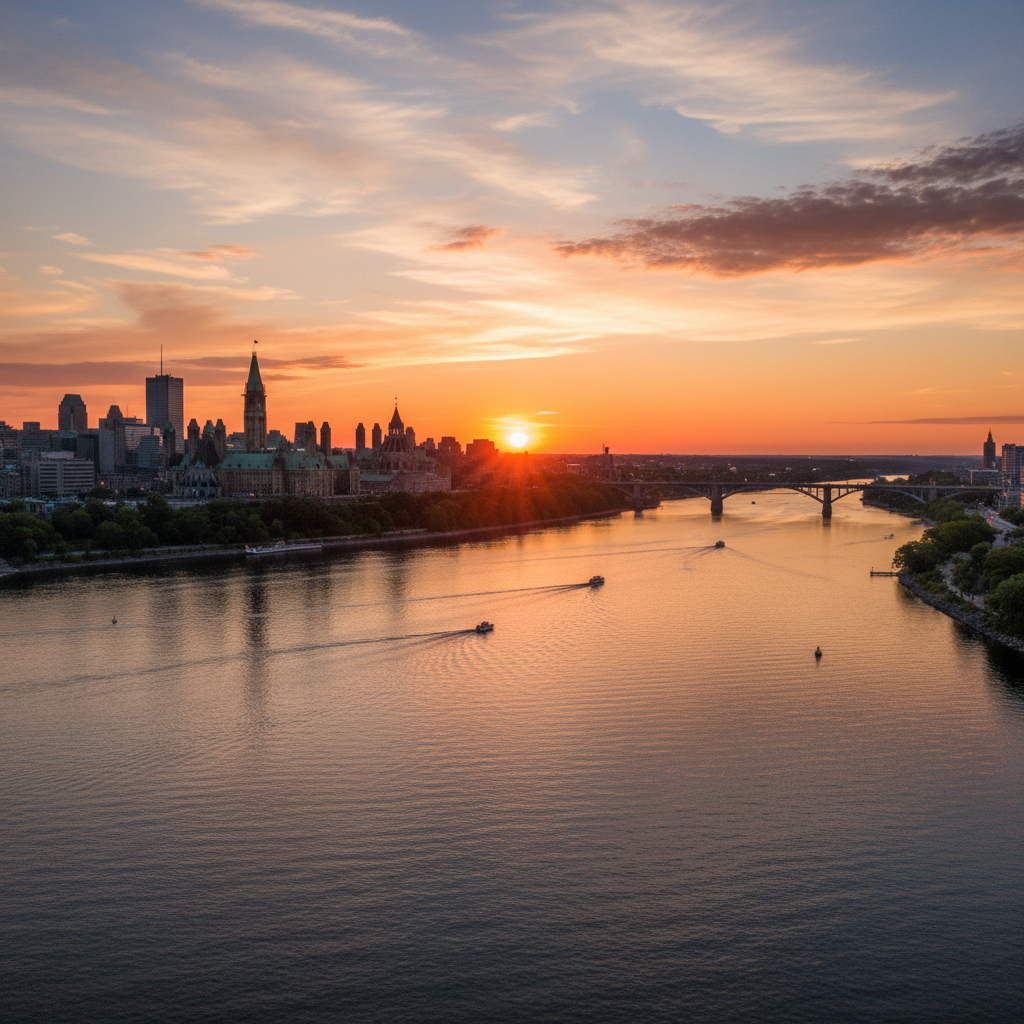
Planning a weekend in Ottawa does not need to be complicated. The city is compact, the attractions are clustered in manageable areas, and the public transit system handles most of the gaps. Here is what you need to know to put together a good trip without overthinking it.
When to Go
Ottawa has strong seasons, and your timing matters more than it does in most cities. Summer (June to August) brings outdoor festivals, patio dining, and long daylight hours. It is the busiest time for tourism, but the city handles it well. Fall (September to October) is arguably the prettiest season, with autumn colours in the Gatineau Hills and crisp air that makes walking a pleasure.
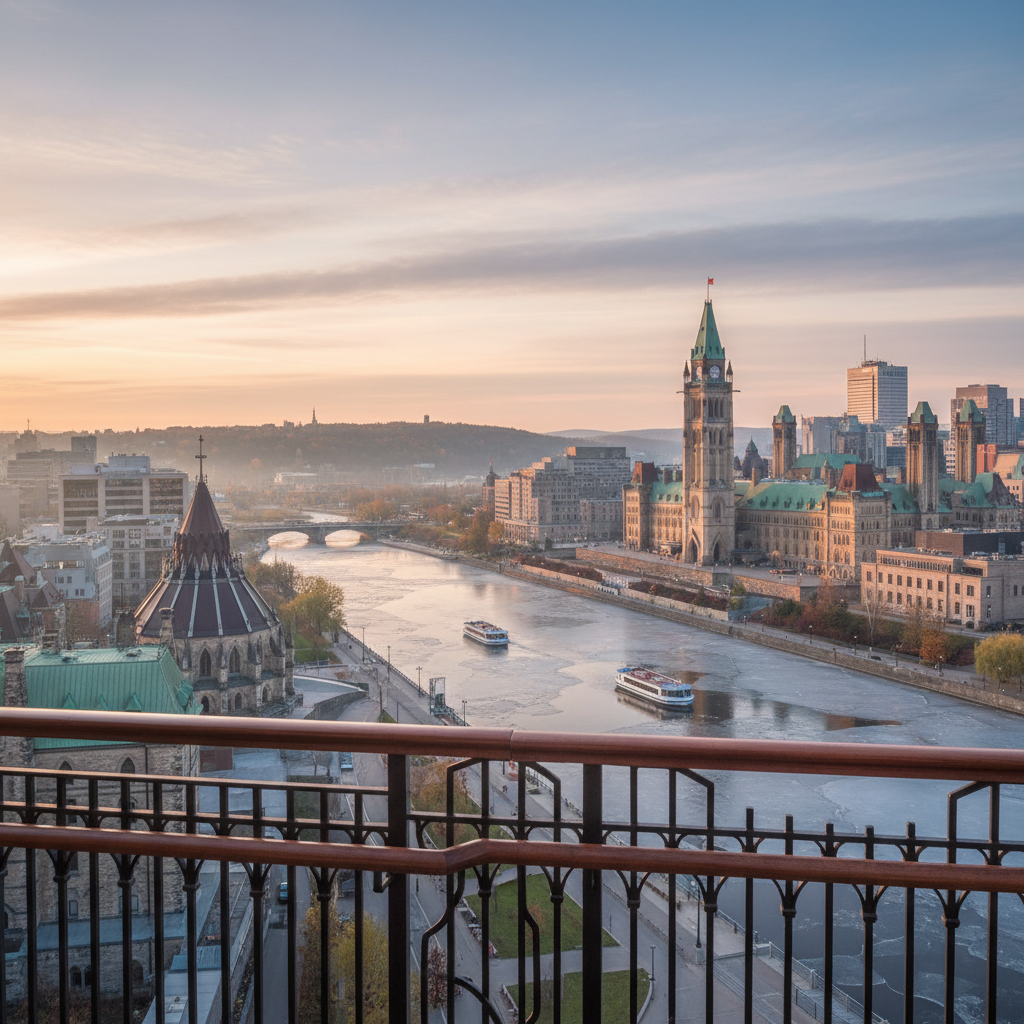
Winter (December to March) is cold but rewarding, especially if you visit during Winterlude in February, when the canal freezes for skating. Spring (April to May) is unpredictable weather-wise but beautiful when it cooperates, and the Canadian Tulip Festival in May is a genuine highlight. Choose the season that appeals to your interests and pack accordingly.
Where to Stay
Your choice of neighbourhood shapes your entire weekend. The ByWard Market puts you in the centre of the action with restaurants and attractions on your doorstep. Centretown, along Elgin Street and closer to the canal, is slightly quieter but still very walkable. The Glebe is a residential neighbourhood with excellent restaurants and canal access, ideal if you want a more local feel.
Hotels in the downtown core tend to be more expensive on weekends, but the convenience is worth it if walking is your primary mode of transportation. If you are driving and do not mind a short commute, options in Westboro or along the LRT line can offer better value.
Getting Around
You do not need a car for a weekend in Ottawa's core. Parliament Hill, the ByWard Market, the National Gallery, the Rideau Canal, and several neighbourhoods are all connected by walking paths and the LRT. If you want to visit the Gatineau Hills, the Canadian Museum of History (technically in Gatineau), or take a day trip, a car becomes useful. But for a city-focused weekend, walking and transit are all you need.
The Confederation Line LRT connects downtown to Westboro, the University of Ottawa area, and points east. Buses supplement the rail line for less-central destinations. Bike-share stations are available throughout the core in warmer months.
Structuring Your Days
A common mistake in Ottawa is trying to see too many museums. Each of the major museums deserves at least two hours, and museum fatigue is real. Limit yourself to one, maybe two museums over a weekend, and fill the rest of your time with walking, eating, and neighbourhood exploration.
A good structure for a two-day weekend looks like this: one day focused on the main sights (Parliament Hill, the canal, a museum, and the ByWard Market) and a second day exploring a neighbourhood or two that interest you (the Glebe, Westboro, Hintonburg) with a more relaxed pace. Leave gaps in your schedule for wandering, unexpected discoveries, and longer-than-planned meals.
Eating Well
Ottawa's food scene is better than most visitors expect. A few things worth knowing: shawarma is an Ottawa institution, and the city has dozens of excellent shawarma shops. The ByWard Market area has the widest variety of restaurants. Hintonburg and Wellington West have the most interesting new restaurants. The Glebe and Westboro are strongest for brunch and coffee. And if someone tells you to try a BeaverTail pastry, do it. It is a fried-dough treat that originated in Ottawa and is available year-round at the ByWard Market stand.
Reservations are recommended for popular restaurants on weekend evenings, especially in summer and during festivals. For lunch, you can generally walk in anywhere without a wait.
Budget Considerations
Ottawa is not a cheap city, but it offers more free activities than most visitors realize. Parliament Hill, the Rideau Canal pathway, Major's Hill Park, and many outdoor events are free. The National Gallery offers free admission on Thursday evenings. Walking between attractions saves transit costs and is genuinely pleasant. And eating well in Ottawa does not require expensive restaurants. Some of the best meals in the city come from casual spots in the Market and along Wellington Street.
For a detailed day-by-day plan, see our 48 hours in Ottawa itinerary. If you are visiting with family, our first-timer guide for families adjusts this advice for travelling with kids.