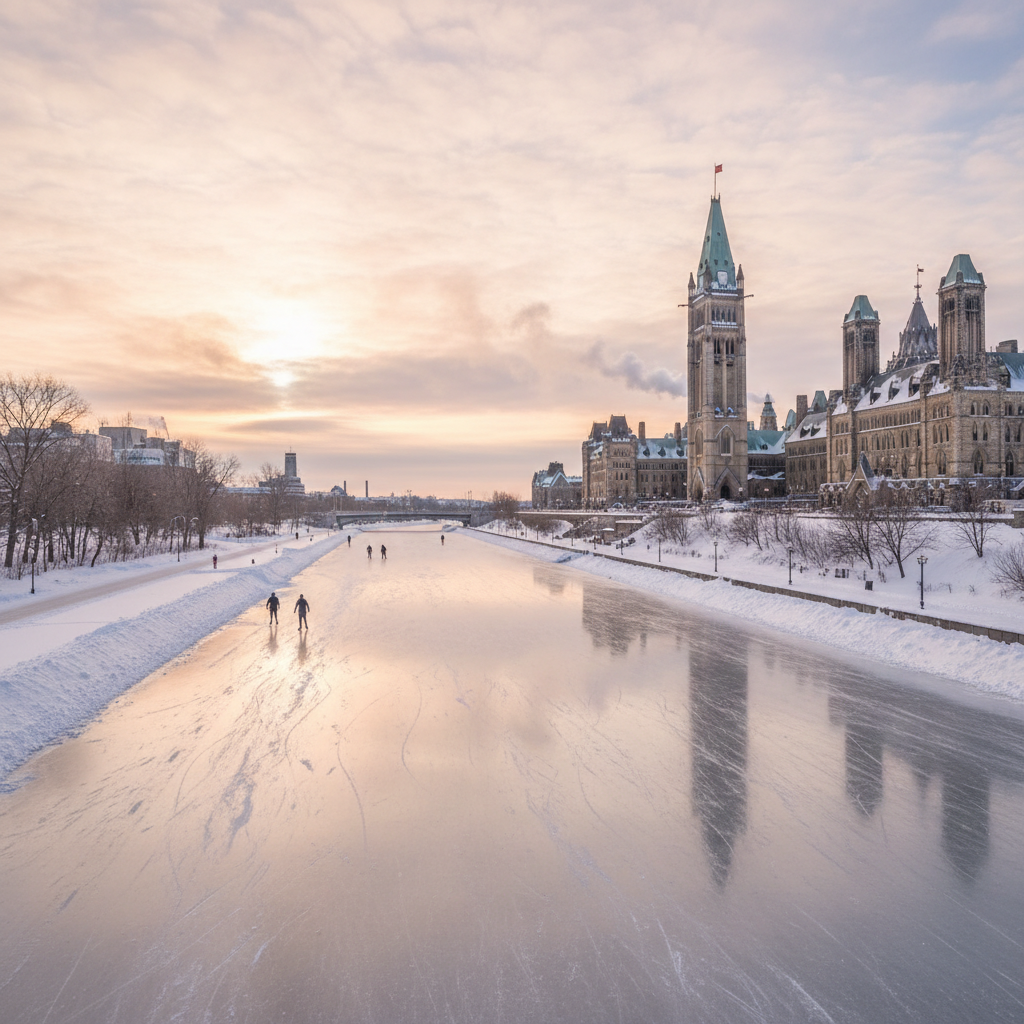
Ottawa in winter is cold. There is no getting around that. January and February temperatures regularly drop well below minus 20 Celsius with wind chill, and the city spends months under snow. But Ottawa is also a city that has learned to embrace winter rather than merely endure it, and a winter visit here offers experiences you simply cannot have at other times of year.
Skating the Rideau Canal
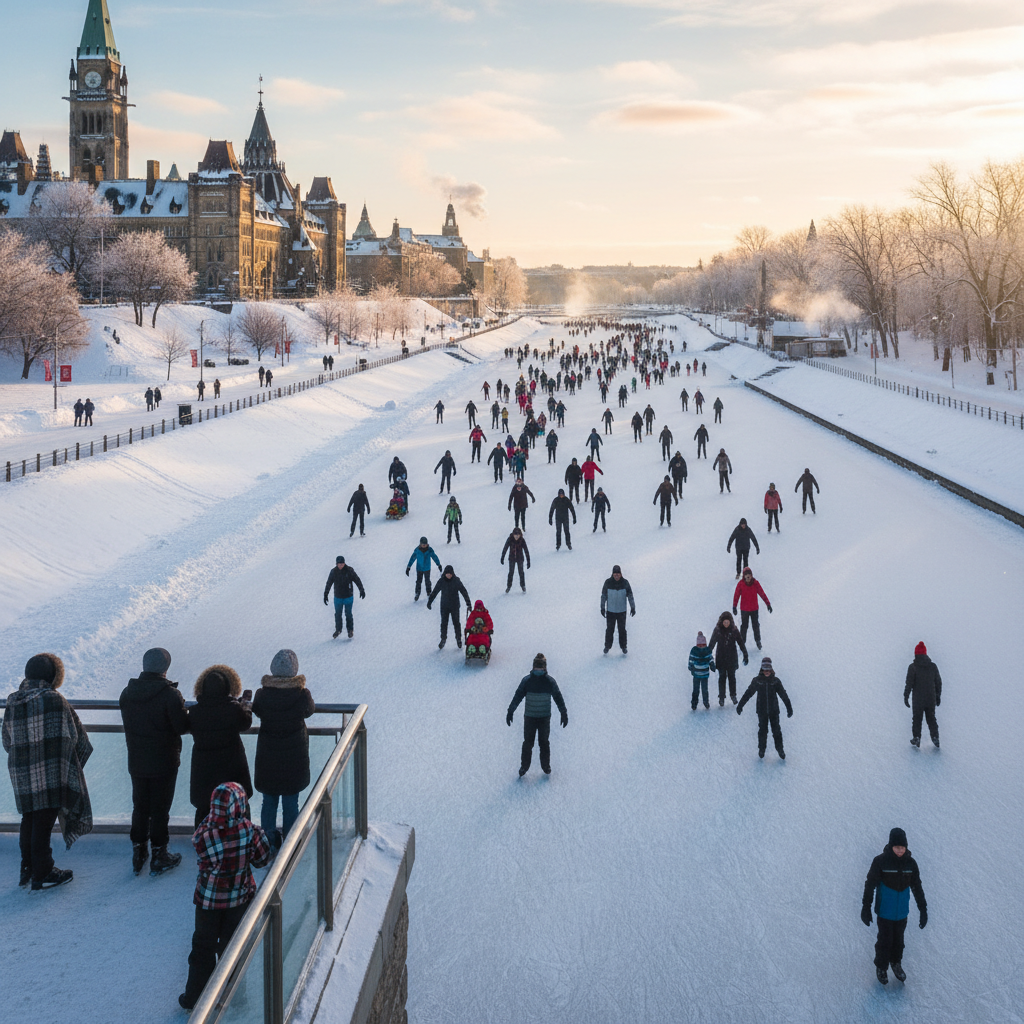
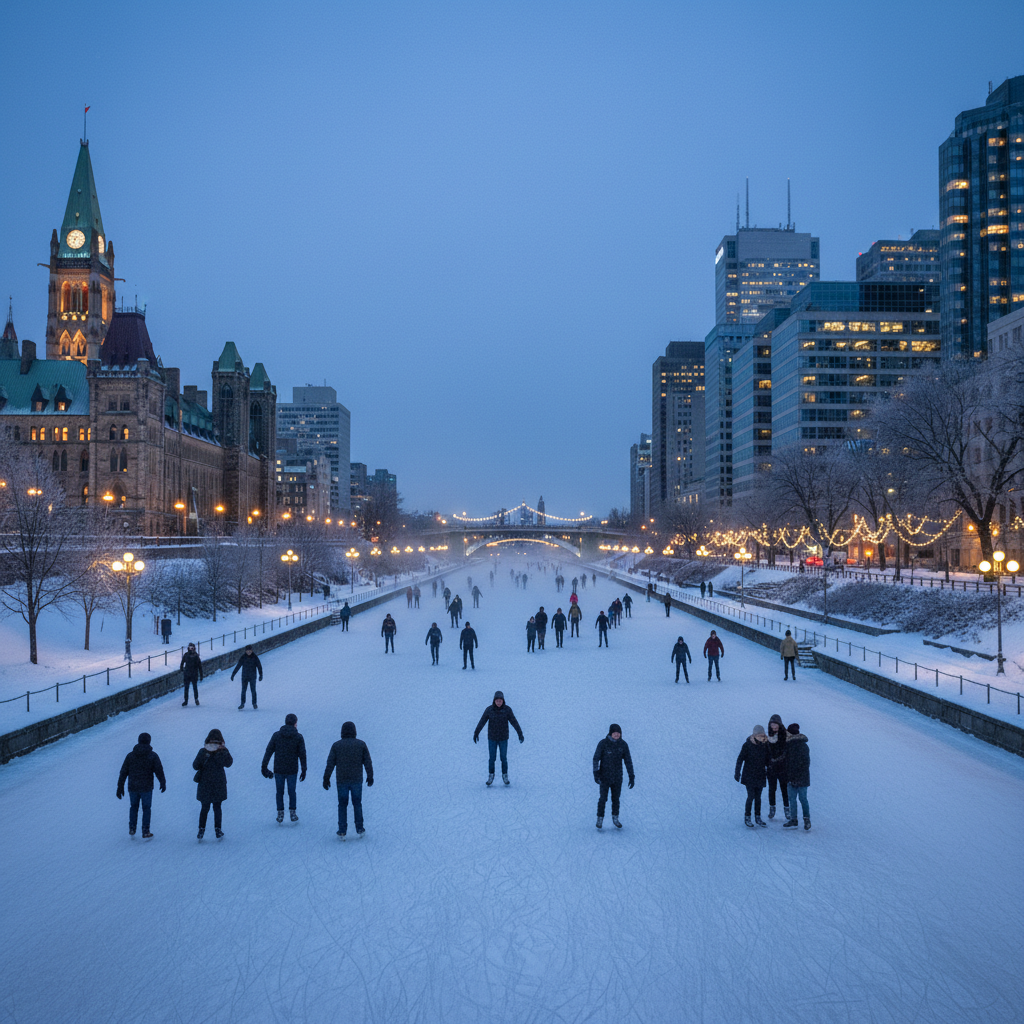
The Rideau Canal Skateway is the headline attraction, and it lives up to the hype. When conditions allow (typically from January to late February, though the season varies by year), a 7.8-kilometre stretch of the canal freezes into the world's longest skating rink. Thousands of people glide along it each day, stopping at warming stations and food kiosks for BeaverTails, hot chocolate, and warmth.
The experience is genuinely magical. Skating past the Chateau Laurier, under stone bridges, and alongside snow-covered parks feels like something from a film. Skate and boot rentals are available at several points along the canal, so you do not need to bring your own equipment. The ice is maintained by a dedicated team that monitors thickness and conditions daily.
A note of honesty: the canal does not freeze reliably every year. Warmer winters in recent years have shortened the skating season significantly. Check conditions before planning a trip specifically around canal skating.
Winterlude
Ottawa's signature winter festival runs for three weekends in February. The highlights include ice sculptures along the canal, the Snowflake Kingdom play area in Jacques-Cartier Park (Gatineau), and a general celebration of winter that fills the city with events, concerts, and activities. The ice sculpture competition is genuinely impressive, with teams from around the world carving intricate works from massive ice blocks.
Winterlude is family-friendly and largely free. The most popular events draw crowds, but the canal skating and ice sculptures can be enjoyed at your own pace. Bundle up and embrace the cold.
Museums and Indoor Culture
Winter is arguably the best time to visit Ottawa's museums. The crowds thin out significantly compared to summer, and you have more space to enjoy the exhibits without queues. The National Gallery, the Museum of History, and the Museum of Nature are all excellent choices for a cold afternoon. The galleries and museums also tend to have winter programming, including lectures, performances, and special exhibitions.
Thursday evenings often offer free or reduced admission at several museums, which is worth checking for your specific visit dates.
Winter in Gatineau Park
Gatineau Park transforms in winter into one of the best cross-country skiing destinations in Eastern Canada. Over 200 kilometres of groomed trails wind through the forested hills, and the conditions are typically excellent from December through March. Snowshoeing trails add another way to explore the park, and the views from the lookouts are striking when the landscape is covered in white.
Trail passes are required and can be purchased online or at park entrances. Equipment rentals are available at the park's visitor centre and from shops in nearby Chelsea.
Eating and Drinking in Winter
Ottawa's restaurants take on a different character in winter. The cozy, warm interiors of the city's best restaurants feel earned after time in the cold, and winter is when Ottawa's food scene feels most intimate. Hearty meals, warm drinks, and the camaraderie of a crowded dining room on a freezing night are part of the winter Ottawa experience.
The ByWard Market's indoor restaurants are at their cosiest. Elgin Street's pubs are warm and welcoming. And the restaurants in Hintonburg and Westboro tend to be quieter in winter, making reservations easier to get.
What to Wear
Layer everything. A good winter coat, warm boots (waterproof and insulated), a hat, gloves, and a scarf are essential. If you plan to skate or spend extended time outdoors, add thermal underlayers. Ottawa's cold is manageable with proper clothing but genuinely uncomfortable without it. The locals dress warmly and do not judge visitors for doing the same.
Is It Worth It?
A winter visit to Ottawa is not for everyone. If cold weather makes you miserable, come in summer instead. But if you enjoy crisp winter air, uncrowded museums, canal skating, and the particular coziness of a winter city trip, Ottawa in January or February delivers an experience that no other Canadian city can match.
For warm-weather alternatives, see our summer canal guide or our best patios for summer.