Where to Stay

Where to Stay in Ottawa by Neighbourhood

Bytown Travel | September 10, 2025

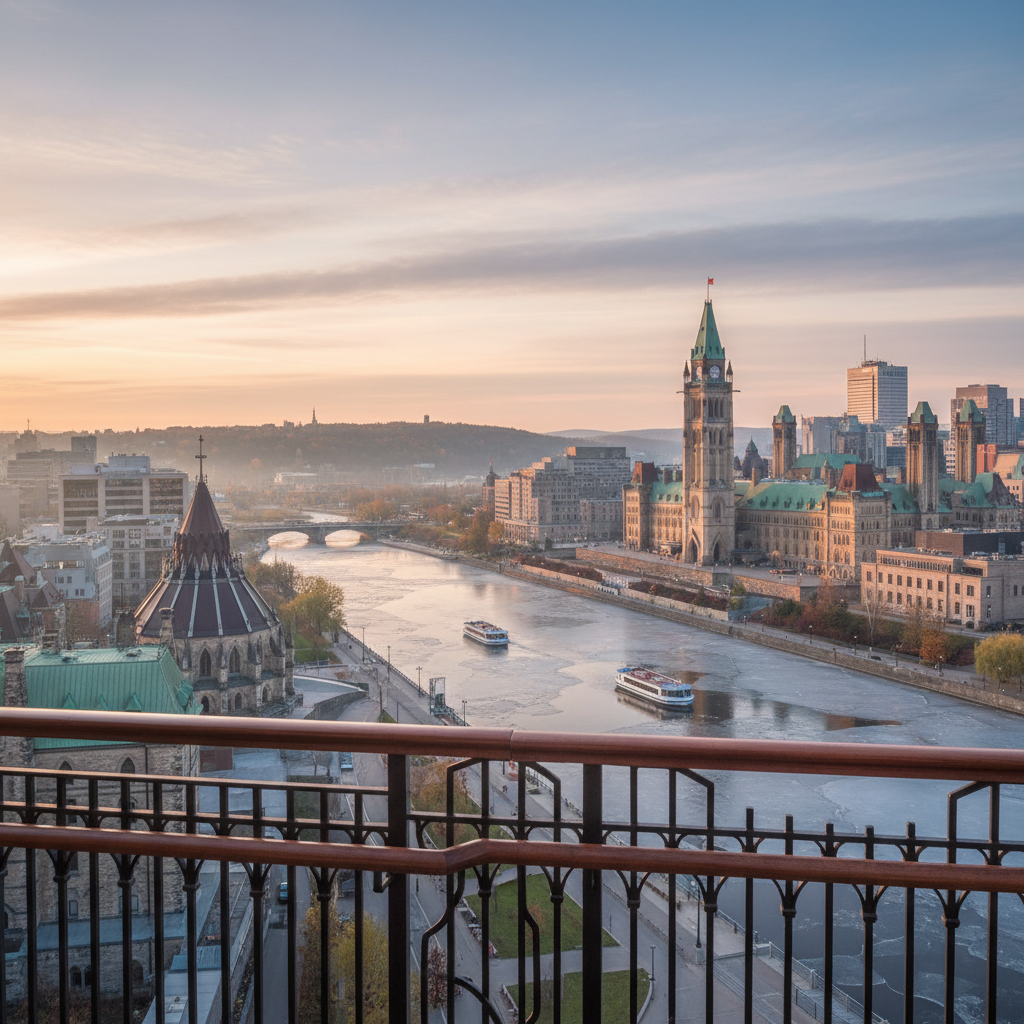
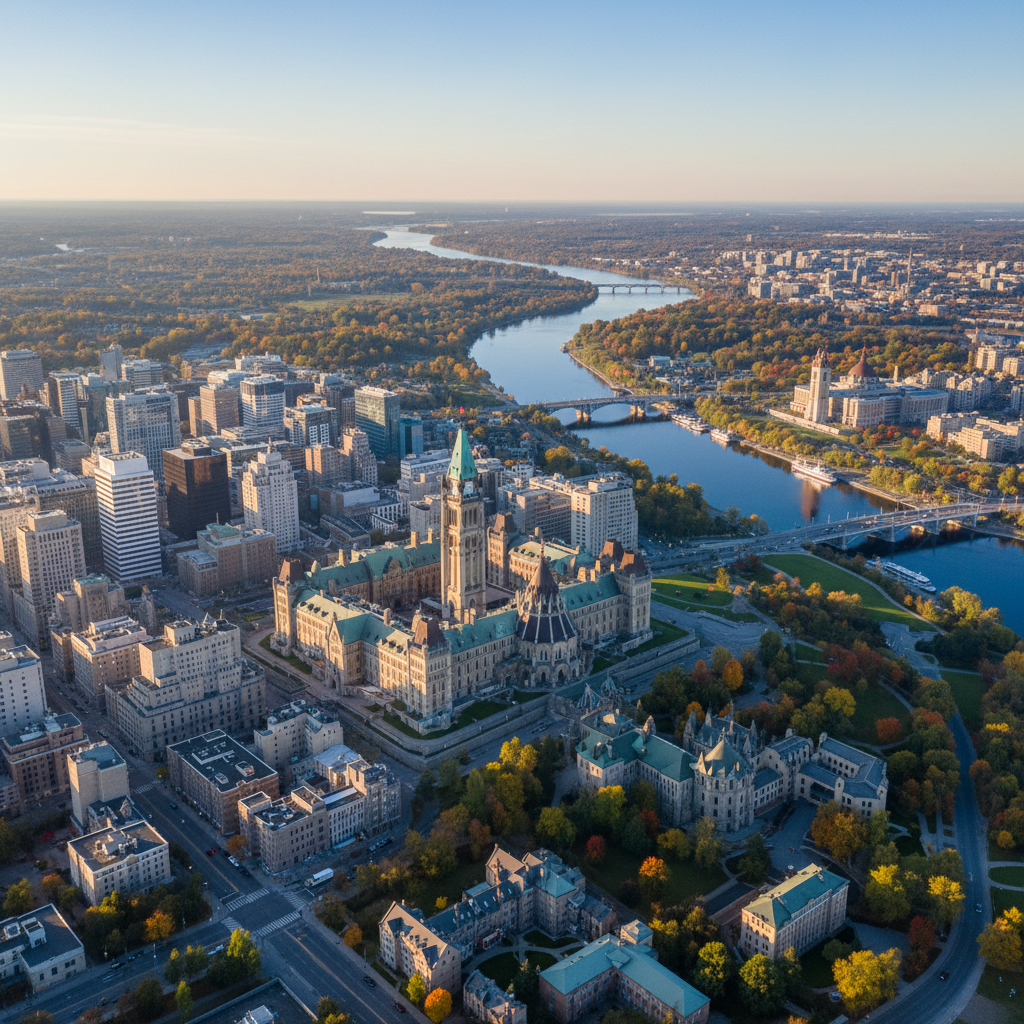
Ottawa skyline from across the Ottawa River showing Parliament Hill and downtown

Choosing where to stay in Ottawa can shape your entire trip. The city is not large by North American standards, but its neighbourhoods have distinct personalities, and picking the right one means the difference between a weekend spent happily walking between attractions and one spent in taxis or on buses trying to get where you actually want to be.

This guide walks through Ottawa's main neighbourhoods from a visitor's perspective, covering what each area offers, what it lacks, and what kind of traveller it suits best.

ByWard Market

The ByWard Market is Ottawa's most central and most visited neighbourhood. It sits just east of Parliament Hill and is home to the city's oldest public market, which has been operating since 1826. The streets here are lined with restaurants, bars, shops, and galleries, and the area stays lively well into the evening.

For first-time visitors, the market is hard to beat. You are within walking distance of Parliament Hill, the National Gallery, the Rideau Canal locks, and the Rideau Centre shopping mall. The hotel options range from large chains to boutique properties, and there are short-term rental options throughout the area.

The downside is noise. The market can be loud on weekend nights, particularly along York Street and Clarence Street. If you are a light sleeper, ask for a room on an upper floor or facing away from the main strips. For a deeper look at this area, see our ByWard Market guide.

Downtown and Centretown

Downtown Ottawa wraps around Parliament Hill and extends south toward the Queensway highway. Centretown is the residential portion, running along streets like Elgin, Bank, and Kent. This area puts you in the geographic heart of the city, close to government buildings, museums, and the canal.

The hotel concentration is highest in this zone, particularly along Albert Street, Slater Street, and near the Rideau Canal. You will find most of the major chain hotels here, along with a few independents. The LRT runs through the core, connecting you to other parts of the city easily.

Centretown itself is a good base for people who want to be near everything without being in the thick of the nightlife. The residential streets are quiet, the walking is good, and Elgin Street offers one of Ottawa's best restaurant rows without the tourist premium of the market.

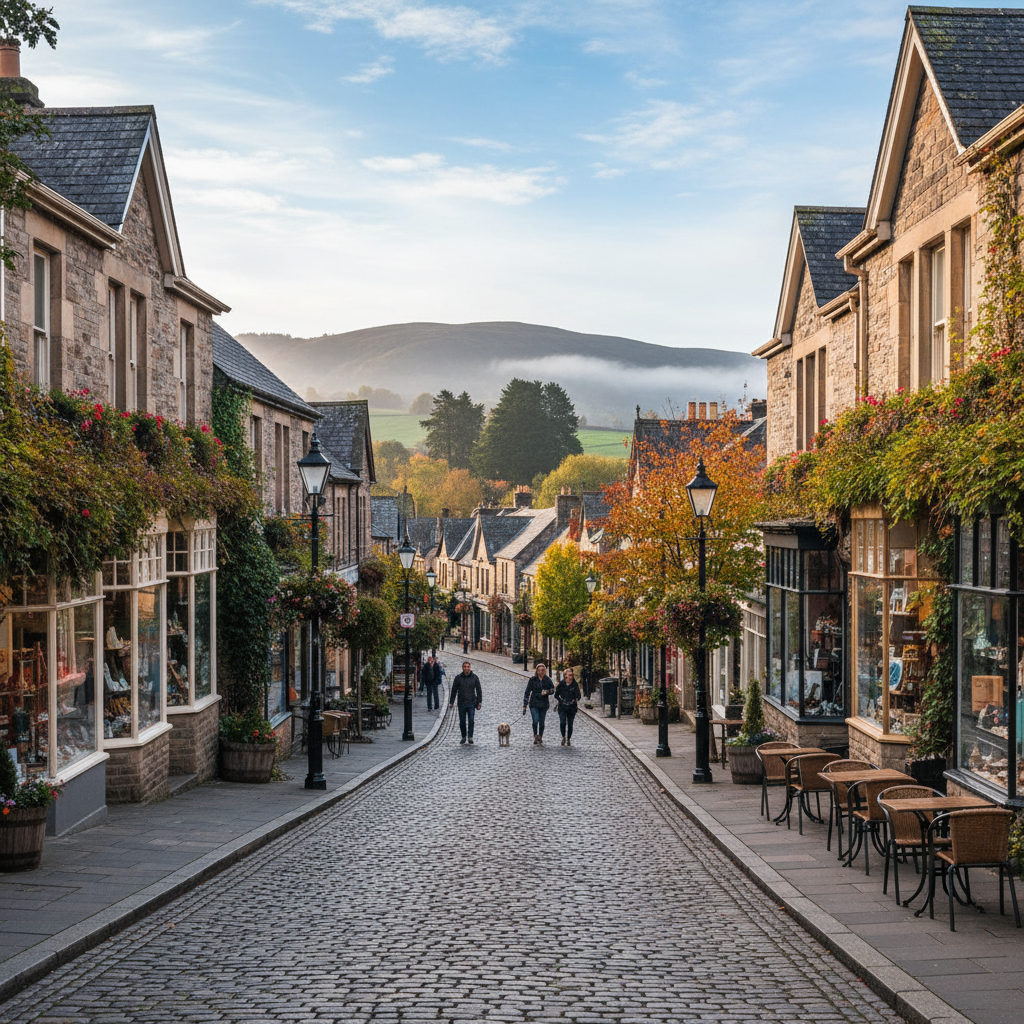
Tree-lined street in the Glebe neighbourhood with shops and pedestrians

The Glebe

The Glebe sits south of the canal, centred on Bank Street, and it is one of Ottawa's most charming neighbourhoods. The main strip is lined with independent bookshops, clothing stores, cafes, and restaurants. Lansdowne Park, home to TD Place stadium and a collection of shops and restaurants, anchors the southern end of the neighbourhood.

Staying in the Glebe means trading proximity to Parliament Hill for a more village-like atmosphere. You are still only a twenty-minute walk from downtown, or a quick bus ride, but the pace is noticeably slower. The Glebe is an excellent choice for people who prefer neighbourhood living over tourist infrastructure.

Accommodation options are more limited here than downtown. Short-term rentals are the primary option, though a few small inns and bed-and-breakfasts operate in the area. If you are visiting in May, the Glebe's proximity to Dow's Lake and the Tulip Festival makes it especially appealing.

Westboro

Westboro is about five kilometres west of downtown, centred on Richmond Road and the western stretch of Wellington Street. It has undergone significant development in recent years but has managed to retain its independent, slightly artsy character. The restaurant scene here is excellent, with some of Ottawa's best dining options clustered along a walkable stretch.

The neighbourhood sits along the Ottawa River, and the parkway that runs beside it is one of the city's best walking and cycling paths. In summer, Westboro Beach draws swimmers and sunbathers, and the views of the Gatineau Hills across the river are genuinely beautiful.

Staying in Westboro works best for people who do not mind being a short transit ride from the downtown attractions. The LRT does not reach Westboro directly yet, but bus connections are frequent, and a taxi or ride-share to the market takes about ten minutes. For first-time visitors who want to be closer to the core, Westboro might feel too far. For repeat visitors or those who prioritize dining and neighbourhood atmosphere, it is one of the best choices in the city.

Hintonburg

Adjacent to Westboro and slightly closer to downtown, Hintonburg is the city's creative hub. The neighbourhood has a younger, edgier feel, with art galleries, vintage shops, and some of Ottawa's most interesting cafes and bakeries. Wellington Street West runs through both Hintonburg and Westboro, creating a continuous corridor of dining and shopping that you can easily walk end to end.

Accommodation in Hintonburg is mostly short-term rentals. The neighbourhood does not have many traditional hotels, but the rental stock is good, and you can often find well-located apartments at reasonable prices. If you are attending Bluesfest at LeBreton Flats, Hintonburg is the closest residential neighbourhood and makes a convenient base.

Sandy Hill

East of the canal and south of the ByWard Market, Sandy Hill is a largely residential neighbourhood that serves as home to the University of Ottawa. The architecture here is some of the most interesting in the city, with large Victorian homes and tree-lined streets that feel a world away from the commercial downtown.

Sandy Hill is walkable to most downtown attractions, and it tends to be quieter and less expensive than the market or Centretown. The trade-off is fewer restaurant and shopping options within the immediate neighbourhood, though you are always just a short walk from Rideau Street or the market.

Westboro neighbourhood street scene with shops and cyclists in summer

Old Ottawa South

South of the Glebe, Old Ottawa South sits between the canal and the Rideau River. This is a quiet, family-oriented neighbourhood with a small commercial strip on Bank Street and easy access to the canal path. It is further from the tourist core but feels authentically residential in a way that many visitors appreciate.

If you are renting a car and do not mind a short drive to downtown, Old Ottawa South offers some of the best value in the city for short-term rentals. The neighbourhood has a few good restaurants and cafes, and the Rideau River path is excellent for morning walks or runs.

Gatineau (Quebec Side)

Technically a separate city in a separate province, Gatineau sits just across the Ottawa River and is connected by several bridges. The Hull sector is the closest to downtown Ottawa, and it offers noticeably lower hotel prices along with a dining scene that leans French-Canadian. The Canadian Museum of History is on the Gatineau side, and the view of Parliament Hill from the Quebec shore is one of the best in the region.

Staying in Gatineau works well if you are comfortable crossing the river for most activities. The commute is short, five to ten minutes by car, and bus routes connect the two cities regularly. You will save money on accommodation and discover a side of the region that most Ottawa visitors miss entirely.

How to Choose

For most first-time visitors, the ByWard Market or downtown Centretown is the safest bet. You will be close to everything, and the walking is easy. For repeat visitors or those who want a more local experience, the Glebe, Westboro, or Hintonburg offer genuine neighbourhood character with excellent food and a more relaxed pace.

If budget is a primary concern, look at Sandy Hill, Old Ottawa South, or Gatineau. These areas trade convenience for value, and with a bit of planning, you will not feel disconnected from the main attractions.

For more tailored advice, check our guides on choosing your area by travel style and planning a simple Ottawa weekend.