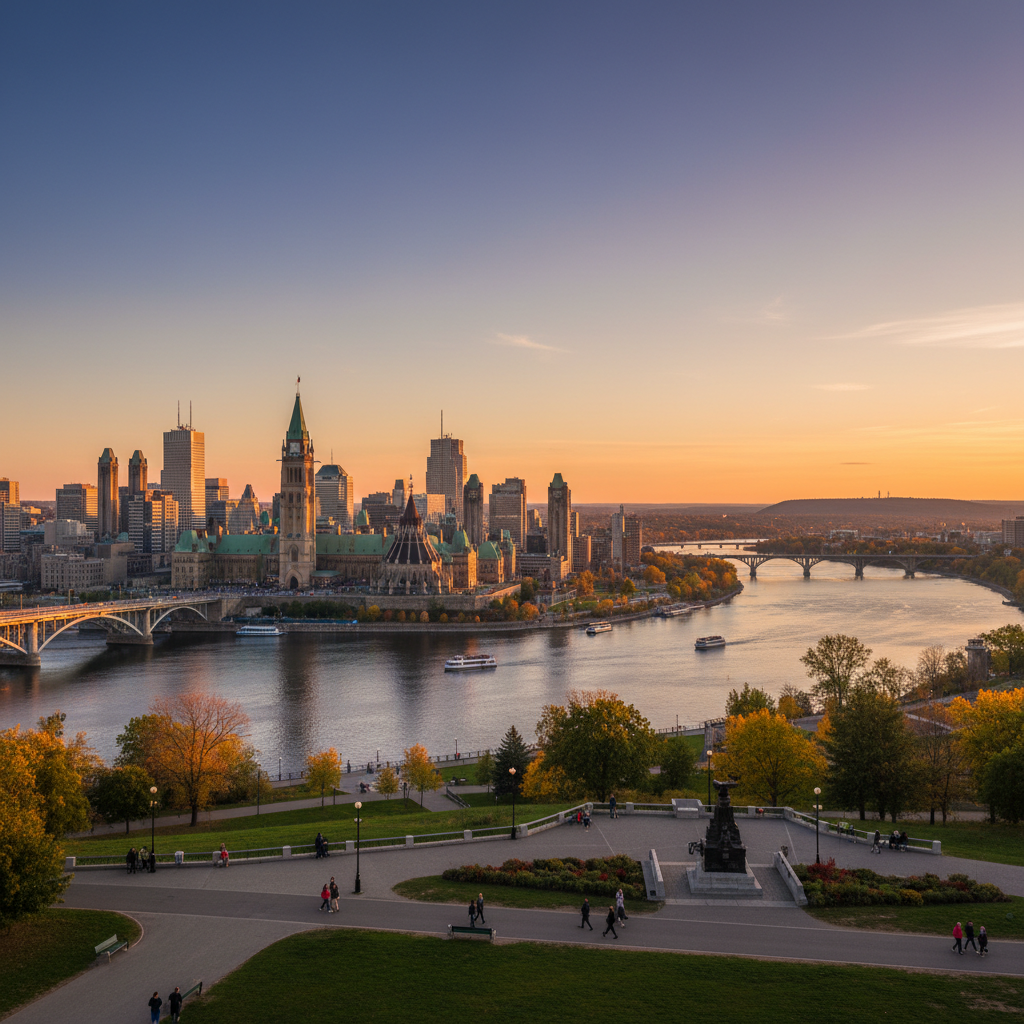
Ottawa has an image problem. Say "weekend trip" to most Canadians and they think of Montreal, Toronto, or maybe Quebec City. Ottawa rarely makes the shortlist, and the reasons people give usually come down to a vague sense that it is a government town without much personality. That perception is wrong, and people who actually visit tend to come back.
The Walkability Factor
One of the things that makes a great weekend city is the ability to walk between interesting places without spending your time in taxis or on transit. Ottawa excels at this. Parliament Hill, the ByWard Market, the National Gallery, the Rideau Canal, and several distinct neighbourhoods all sit within a comfortable walking radius. You can wake up in a hotel near the Market, walk to Parliament Hill before lunch, stroll the canal in the afternoon, and end up at a restaurant in the Glebe for dinner, all without needing a car.
The canal pathway system connects these areas with a continuous, car-free corridor that runs through the heart of the city. Add in the Ottawa River pathway and you have a walking and cycling network that most cities would envy.
The Food Scene Has Grown Up
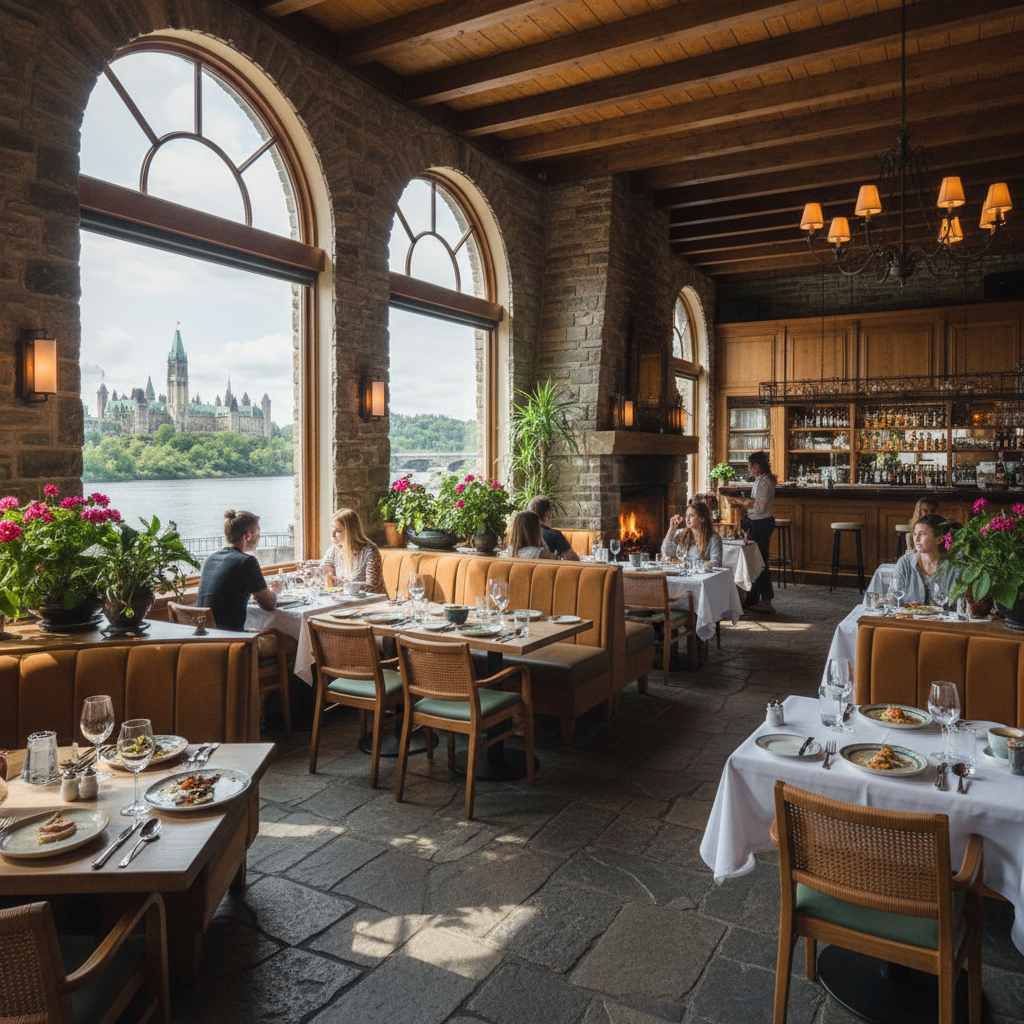
Ottawa's restaurant scene has matured significantly in recent years. The ByWard Market has always had decent restaurants, but the real action has shifted to neighbourhoods like Hintonburg, Westboro, and the Glebe. You can find serious French cooking alongside innovative small-plate restaurants, excellent Vietnamese and Middle Eastern food, and some of the best brunch spots between Toronto and Montreal.
The city also takes its coffee seriously. Independent roasters and third-wave coffee shops have popped up across the core, and the quality is consistently high. For a weekend visitor, this matters. Good coffee and a great brunch can set the tone for an entire day.
Culture Without the Crowds
Ottawa has national-calibre museums and galleries without the crowds you face in Toronto or Montreal. The National Gallery of Canada is world-class by any measure. The Canadian Museum of History is one of the most visited museums in the country, but even on a busy weekend you can usually walk right in. The Canadian Museum of Nature, the Canada Science and Technology Museum, and the Canadian War Museum round out a museum lineup that would be impressive in a city three times Ottawa's size.
Beyond museums, the performing arts scene is surprisingly strong. The National Arts Centre hosts theatre, music, and dance throughout the year. Smaller venues in the Market and Hintonburg offer live music most nights. And festivals run from May through September, covering everything from jazz and blues to folk, comedy, and fringe theatre.
Nature at the Doorstep
This is Ottawa's secret weapon. Gatineau Park, a 36,000-hectare wilderness area, begins less than fifteen minutes from downtown. In autumn, the hills explode with colour. In winter, the cross-country skiing is exceptional. In summer, the lakes and trails offer genuine wilderness experiences that feel impossible to find this close to a national capital.
Even within the city, the green spaces are generous. The Rideau Canal corridor, the Dominion Arboretum, and the Ottawa River shoreline give the city a relationship with nature that most urban centres have long since paved over.

The Right Size for a Weekend
Part of what makes Ottawa work as a weekend destination is its scale. It is big enough to fill two or three days with interesting things to do, but small enough that you do not feel like you are only scratching the surface. You can see the highlights, explore a couple of neighbourhoods, eat well, and still have time for a leisurely canal walk or a trip to the Gatineau Hills. You leave feeling satisfied rather than exhausted.
Compare that to a weekend in Toronto, where the sheer size of the city means you are constantly choosing between things, or a Montreal weekend where the nightlife pushes you to stay up late and the mornings suffer. Ottawa rewards a slower, more intentional pace. You can enjoy it without a plan and without pressure.
Getting There
Ottawa is within a five-hour drive of Toronto and a two-hour drive of Montreal. Train service from both cities runs several times daily, with the Montreal route being particularly convenient. The Ottawa airport has direct flights from most major Canadian cities and some US destinations. However you arrive, you are in the city centre quickly and can start your weekend immediately.
For a detailed two-day itinerary, see our 48 hours in Ottawa guide. If you want to explore without a car, our walkable weekend guide shows you how.