The internet is full of exhaustive Ottawa travel guides with 50-point lists and minute-by-minute itineraries. If that works for you, great. But if you find over-planning stressful, here is a simpler approach. Book the essentials, know the basics, and let the city fill in the gaps. Ottawa rewards that kind of relaxed visiting.
Step One: Book a Hotel
Stay in or near the ByWard Market. You can debate the merits of different neighbourhoods (and we do, in our detailed accommodation guide), but for a straightforward first visit, the Market is the right call. You will walk everywhere. You will have restaurants on your doorstep. You will not waste time on transit.
Book a few weeks ahead for summer weekends, further ahead for festival periods. A weeknight stay, if your schedule allows, is significantly cheaper.
Step Two: Know Three Things
You do not need a detailed itinerary. You need three reference points:
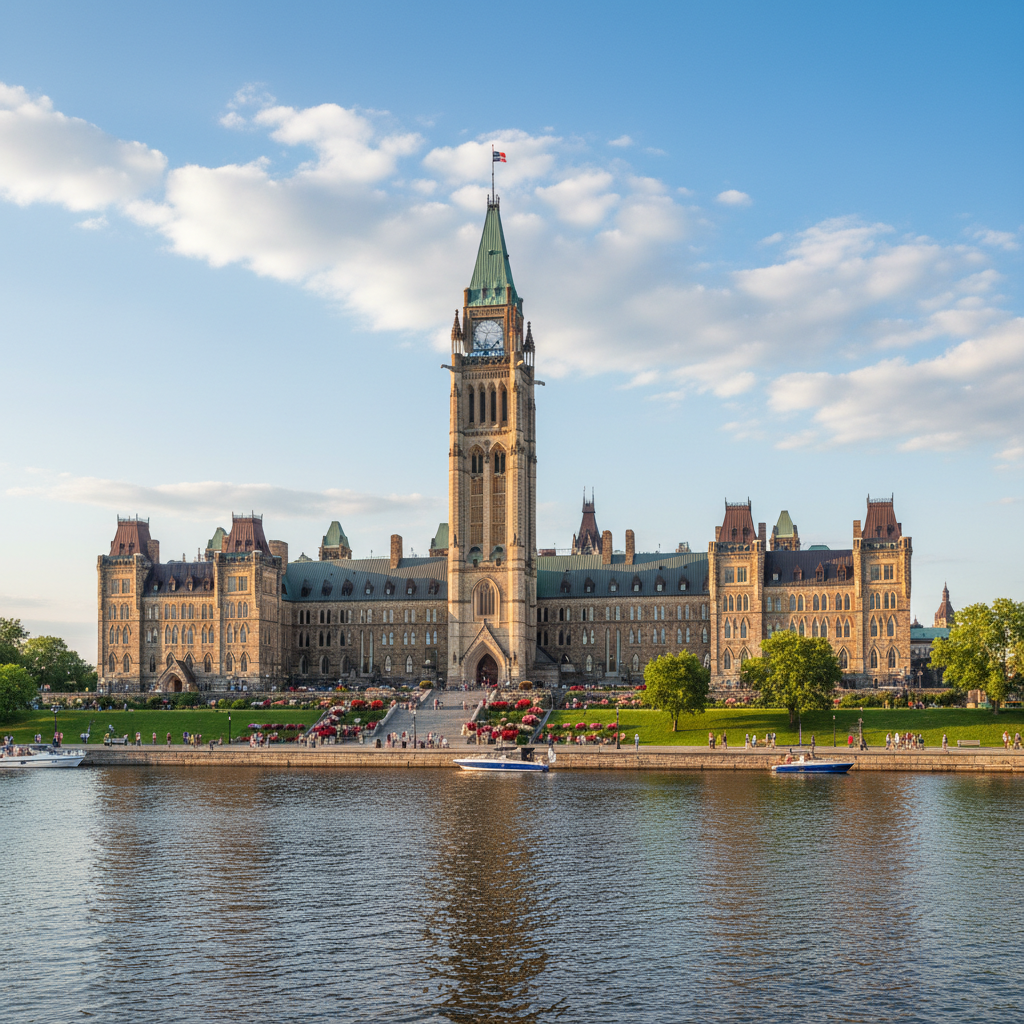
Parliament Hill is free, impressive, and takes about an hour. Start your trip here.
The Rideau Canal pathway connects most of the interesting parts of the city. Walk along it whenever you are moving between areas.
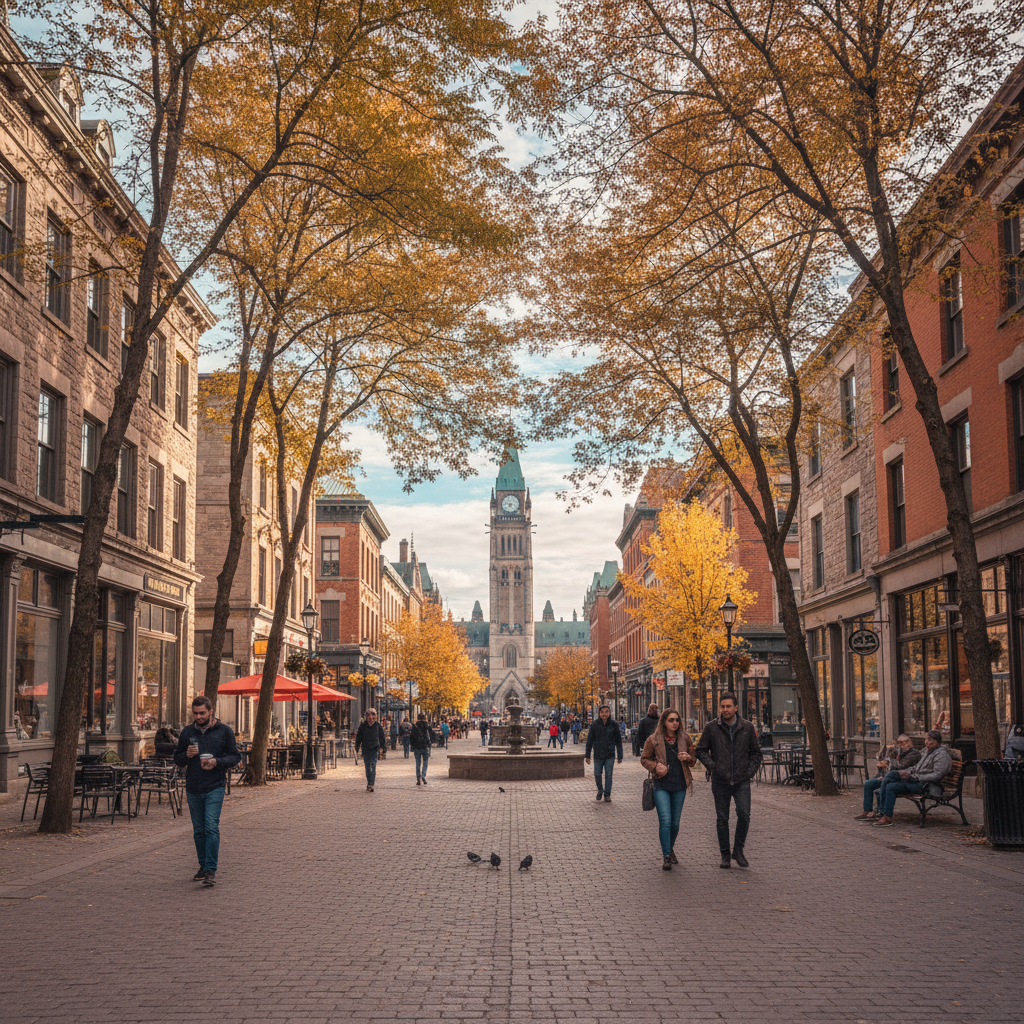
The ByWard Market is where you eat. For lunch, dinner, snacks, and people-watching. Every time you are unsure what to do, go to the Market.
That is your framework. Everything else is optional.
Step Three: Add One Museum
Pick one museum and give it a proper visit. The National Gallery of Canada if you like art. The Canadian Museum of History if you want the most impressive building and exhibits. The Canadian Museum of Nature if you are travelling with kids. Do not try to visit all three. Museum fatigue is real, and one good museum visit is better than three rushed ones.
Step Four: Eat Well
Ottawa's food scene is better than its reputation suggests. A few no-fail approaches:
For lunch, walk through the ByWard Market and eat wherever looks good. Shawarma is an Ottawa specialty, and the Market has excellent options. BeaverTails on George Street is worth trying once.
For dinner, ask your hotel front desk where they eat. Local recommendations are almost always better than whatever the internet suggests. If you want a guarantee, the restaurants on Elgin Street and in the Glebe are consistently solid.
For coffee, any independent cafe in the Market, the Glebe, or Westboro will serve you well. Ottawa takes its coffee seriously.
Step Five: Leave Room for Nothing
The best parts of an Ottawa weekend are often the unplanned ones. The canal bench where you sit for twenty minutes watching the boats. The shop in the Market where you find something unexpected. The second glass of wine on a patio because the evening is too nice to leave. If every hour is scheduled, those moments do not happen.
Build your weekend around two or three activities per day, maximum. Fill the rest with walking, eating, and paying attention to whatever the city puts in front of you.
What You Can Skip
You do not need to visit every museum. You do not need to take a guided tour (Ottawa is easy to explore on your own). You do not need to cross the river to Gatineau unless you specifically want the Museum of History. You do not need to rent a car. And you definitely do not need to follow someone else's itinerary point by point.
Ottawa is a city that works best when you approach it at your own pace. The basics are easy, the city is safe and navigable, and the worst thing that can happen is that you discover something wonderful that was not in any guidebook.
If You Want More Detail
For a structured two-day itinerary, see our 48 hours in Ottawa guide. For neighbourhood-specific tips, browse our neighbourhood guide. For seasonal advice, check our seasonal highlights page. But honestly, the plan above is enough. Go to Ottawa. Walk around. Eat well. You will have a good time.